
Category: Online Business Solutions

Boost Your Rankings with Expert Link Building SEO Services

Do you need help to gain the visibility your website deserves in search engine rankings? Are your competitors consistently outranking you, leaving your online presence in the shadows? It’s time to take action and harness the power of expert link building SEO services. Link building is the backbone of successful search engine optimization, and with the right expertise, you can supercharge your website’s authority and catapult it to the top of search results. This blog will explore the incredible benefits of professional link building, providing you with the tools and knowledge to boost your rankings and achieve online success. Let’s embark on this exciting journey together.

Understanding Link Building in SEO

Link Building and Its Significance

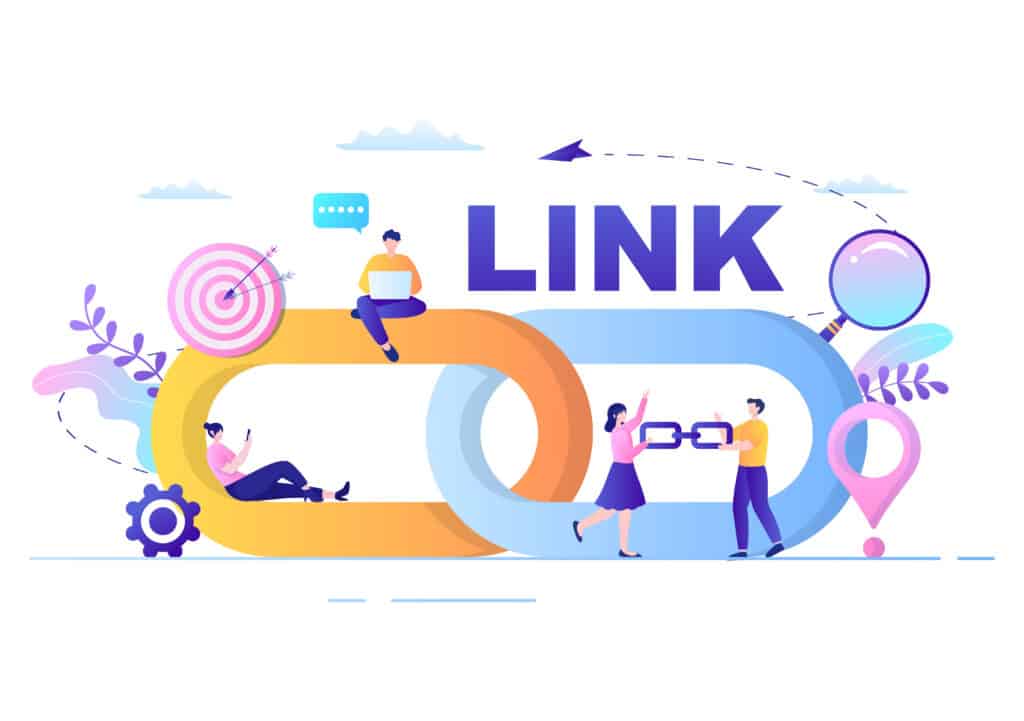
Link building is the art of acquiring hyperlinks from other websites to your own. These hyperlinks, or backlinks, act as virtual bridges connecting various web pages. Search engines, like Google, consider backlinks as “votes of confidence” from one site to another. The more high-quality and relevant backlinks your website earns, the more search engines perceive it as a trustworthy and authoritative source. In essence, link building is the backbone of off-page SEO and is pivotal in determining your website’s visibility, credibility, and, ultimately, its search engine rankings.

Types of Links

To grasp the dynamics of link building, it’s essential to familiarize yourself with the different types of links:

  • Inbound Links (Backlinks): These links originate from external websites and direct users to your web pages. Inbound links are like endorsements, indicating to search engines that your content is valuable and worth sharing.
  • Outbound Links: On the flip side, outbound links lead from your website to other external sites. While outbound links don’t directly influence your rankings, they can enhance your website’s credibility by providing additional resources and references to your readers.
  • Internal Links: Internal links connect different pages within your website. They aid in establishing a hierarchical structure, spreading link equity, and guiding visitors to relevant content. Proper internal linking can improve user experience and facilitate the flow of search engine bots through your site.

Link Quality vs. Quantity

One common misconception in link building is that quantity reigns supreme over quality. In the past, web admins sought to accumulate as many links as possible, regardless of their source or relevance. However, search engines have evolved significantly, and their algorithms now prioritize link quality over quantity.

High-quality backlinks come from authoritative and relevant websites within your niche. Such links carry more weight and contribute significantly to your website’s authority. Conversely, low-quality or spammy links can harm your rankings and even lead to penalties from search engines.

The Benefits of Expert Link Building SEO Services

Enhancing Website Authority and Credibility

A strong foundation of authority and credibility lies at the heart of every successful website. Expert link building SEO services act as a catalyst in building this foundation. When authoritative websites within your industry link to your content, search engines recognize it as a vote of confidence, boosting your website’s reputation and authority in the eyes of both users and search algorithms. As your authority grows, so does your ability to attract more organic traffic and expand your digital footprint.

Improving Organic Traffic and Click-Through Rates

Organic traffic remains the lifeblood of any thriving website. With expert link building SEO services, you can unlock the door to a steady stream of organic visitors. When your content earns high-quality backlinks from relevant sources, it gains visibility in search results, making it more accessible to your target audience. As more users discover and engage with your content, your click-through rates soar, signaling search engines that your content is valuable and deserves a top-ranking spot.

Building Relationships with Other Authoritative Websites

In the digital realm, networking is as important as the physical world. Through expert link building, you forge valuable relationships with other authoritative websites in your niche. These partnerships lead to valuable backlinks and open doors for collaboration, guest posting opportunities, and knowledge-sharing within your industry. As your network expands, your website gains exposure to broader audiences, driving even more organic traffic and cementing your position as an industry thought leader.

Mitigating the Risk of Google Penalties

Navigating the ever-changing landscape of SEO algorithms can be daunting, especially with the looming threat of Google penalties. However, with expert link building SEO services, you can rest assured that your website is in safe hands. Reputable link building professionals employ ethical and white-hat practices, adhering to search engine guidelines and ensuring your website stays on the right side of algorithms. By mitigating the risk of penalties, your website remains resilient and steadily climbs the search engine rankings.

backlink hyperlink networking internet online technology concept

Choosing the Right Link Building SEO Service Provider

Researching and Evaluating Potential Agencies or Freelancers

Before diving into partnerships, invest time in thorough research. Start by identifying potential link building service providers with a solid reputation and a track record of delivering results. Look for established agencies or freelance experts with a wealth of experience in the field. Examine their websites, case studies, and portfolio to gauge their expertise and the projects they’ve undertaken. Additionally, seek recommendations from industry peers or fellow website owners who have benefited from their services.

Assessing Their Track Record and Client Testimonials

The accurate measure of a link building service provider’s capabilities lies in their track record. Scrutinize their past projects to determine the success rates of their link building campaigns. Look for concrete evidence of improved rankings, organic traffic growth, and client satisfaction. Client testimonials and reviews are invaluable resources, providing insights into the experiences of others who have enlisted their services. Previous clients ‘ positive feedback and success stories testify to the provider’s professionalism and effectiveness.

Understanding Their Link Building Approach and Ethics

Transparency and ethical practices are cornerstones of any reputable link building service provider. Seek to understand their link building approach in detail. A trustworthy provider will be open about their strategies, outlining how they acquire backlinks and the types of websites they target. Beware of providers resorting to black-hat tactics, as these can result in severe penalties and harm your website’s reputation in the long run. Choose a partner committed to following search engine guidelines and employing white-hat practices for sustainable and long-lasting results.

Considering Budget and Scalability

As you narrow down your options, consider the financial aspect of the partnership. While opting for the most budget-friendly option is tempting, remember that link building is an investment in your website’s future. Balance the cost with the value and expertise the provider offers. Additionally, assess the scalability of their services. As your website grows, you may need to expand your link building efforts, and a provider capable of accommodating your evolving needs is a valuable asset.
20061276 seo link building 09 scaled

Link Building and the Future of SEO

How Link Building Fits into the Ever-Evolving SEO Landscape

In the past, link building was primarily seen as a way to manipulate search engine algorithms and boost rankings artificially. However, search engines have become smarter, and their focus now lies in providing users with the most relevant and high-quality content. As a result, link building has matured into a practice emphasizing authenticity, credibility, and user value.

Quality backlinks from authoritative and relevant sources act as a vote of confidence for your website’s content. They validate your expertise, elevate your website’s authority, and contribute to higher rankings. Link building now works hand in hand with other SEO elements, such as content creation, on-page optimization, and user experience, to create a holistic approach that aligns with search engine algorithms and user expectations.

Predictions and Trends for Link Building Strategies

As technology and user behavior evolve, link building strategies will adapt to cater to these changes. Some exciting predictions and trends for the future of link building include:

  • Contextual Relevance: Search engines will increasingly emphasize the importance of context in link building. Backlinks from content that shares topical relevance with your website will carry more weight, making content-driven link acquisition crucial.
  • Brand Mentions and Co-citations: Unlinked brand mentions, and co-citations (mentions of your brand alongside your competitors) are expected to gain significance. Search engines are becoming more adept at recognizing brand authority, even without explicit backlinks, offering opportunities for brand exposure and authority-building.
  • Niche and Local Link Building: Specialized and local link building efforts will become more prevalent. Niche-specific backlinks from industry influencers and local businesses will carry greater relevance, helping your website target specific audiences more effectively.

The Growing Importance of Content-Driven Link Acquisition

Content is undeniably the heart and soul of link building in the future of SEO. High-quality, valuable content serves as the magnet that attracts authoritative backlinks naturally. As users and search engines seek content that informs, educates, and entertains, link building efforts will revolve around crafting exceptional content that resonates with your target audience.

Content-driven link acquisition involves creating outstanding articles, blog posts, infographics, videos, and other formats that inspire others to reference and link to your work. This strategy aligns perfectly with search engine algorithms, prioritizing user satisfaction and delivering valuable resources to those seeking information.

In the race for online supremacy, expert link building SEO services are the fuel that propels your website to the top. Elevate your rankings, boost organic traffic, and establish your authority with our professional and friendly team of link building experts. Take advantage of the opportunity to soar above your competition and reach new heights of success. Contact us today at (760)-383-3591, and let us be your trusted partner in building bridges to online triumph. Take the first step towards an extraordinary digital journey to transform your website’s future. Your success is just a phone call away!

Read More

The Power of Custom Web Design and Development

What sets successful businesses apart in the digital world? How do they capture the attention of their target audience and leave a lasting impression? The answer lies in the power of custom web design and development. In today’s competitive landscape, having a solid online presence is not merely an option but a necessity. And that’s where customization plays a pivotal role. Custom web design and development empower businesses to create an engaging, user-friendly, and memorable digital experience that aligns perfectly with their brand identity and goals. Let’s explore how this tailored approach can unlock the true potential of your online presence and drive unprecedented success.

Understanding Custom Web Design

What Makes a Website Custom?

Custom web design involves creating a website from the ground up, tailored to meet the unique requirements and preferences of a specific business or individual. Unlike pre-made templates, custom websites are built with meticulous attention to detail, allowing for complete personalization and creative freedom.

With custom web design, professional web designers work closely with clients to understand their brand, target audience, and objectives. This collaborative process ensures that every element, from the layout to the color scheme and functionality, aligns perfectly with the client’s vision and goals.

Benefits of Tailored Web Design

  • Enhanced Brand Identity: Your website is often the first point of contact between your business and potential customers. A custom web design enables you to create a unique online identity that reflects your brand’s personality, values, and mission. Consistent branding elements across the website instill trust and recognition, leaving a lasting impression on visitors.
  • Improved User Experience: User experience (UX) is a critical factor in the success of any website. Custom web design allows designers to craft intuitive and user-friendly interfaces, making navigating and finding what they need easier for visitors. A seamless user experience keeps visitors engaged, encourages them to explore further, and ultimately increases the likelihood of conversions.
  • Optimal Functionality and Performance: Off-the-shelf templates often need more features or code bloat, slowing down your website’s performance. Custom web design ensures that every aspect of the website serves a purpose and works efficiently. With clean, customized code and optimized design, your website loads faster and performs better, resulting in improved search engine rankings and a better overall user experience.

Embracing Custom Web Development

Custom Coding: The Backbone of Unique Websites

Custom web development involves writing code from scratch to create a website tailored to the client’s specific needs and goals. Skilled developers meticulously craft each line of code, ensuring every element is purpose-built and seamlessly integrated.

Customizing every aspect of the website allows developers to implement unique design elements, and tailor features to suit the target audience, and optimize the website for peak performance. This attention to detail sets custom-coded websites apart from generic templates and makes them stand out in the digital crowd.

Advantages of Building from Scratch

  • Flexibility and Scalability: Custom web development grants unmatched flexibility, empowering businesses to adapt and grow over time. Custom-coded websites are designed to scale effortlessly, whether you need to add new functionalities, integrate third-party services, or accommodate increasing traffic. With the power of flexibility, your website can evolve alongside your business, saving you time and money on future upgrades.
  • Security and Performance Optimization: Security is a top priority for any website owner. Custom web development allows developers to implement stringent security measures tailored to the specific needs of your website. Building a website from scratch minimizes potential vulnerabilities from third-party plugins and templates, providing a secure environment for your data and your users.
  • Personalized Features and Interactivity: Off-the-shelf solutions often come with predefined features that might not align with your business’s unique requirements. Custom web development empowers you to include personalized features that enhance user engagement and interaction. From dynamic content displays to interactive elements and custom forms, you can create a website that truly represents your brand and meets your audience’s expectations.
etherapypoc

Tailoring the User Experience

Knowing Your Target Audience

Understanding your target audience is fundamental to designing a website that resonates with them. Take the time to research and analyze your audience’s preferences, behaviors, and needs. By gaining valuable insights, you can tailor your website to their expectations and provide the content or services they seek.

Designing with User-Friendly Navigation

User-friendly navigation is crucial in guiding visitors through your website effortlessly. Aim for a clean and intuitive navigation menu that is easy to locate and understand. Organize your content logically and use clear headings and subheadings to help users quickly find what they are looking for. Avoid clutter and excessive drop-down menus, as they can overwhelm users and lead to frustration.

Creating Engaging and Intuitive Interfaces

Engaging interfaces captivate visitors and encourage them to explore your website further. Utilize visually appealing elements such as high-quality images, videos, and graphics to make your content more compelling. Additionally, use intuitive design elements like clickable buttons and call-to-action prompts to guide users toward desired actions, such as contacting you or purchasing.

Incorporating Brand Elements and Messaging

Your website is an extension of your brand, so ensure consistency in design and messaging. Incorporate your brand’s colors, logo, and typography to reinforce your brand identity throughout the website. Use consistent and clear messaging that conveys your brand’s values and unique selling points. Creating a cohesive brand experience builds trust with visitors and leaves a lasting impression.

cropped front end developers designing mobile application interface

Measuring the Impact

Analyzing Metrics and Performance

One of the critical advantages of custom web design is the ability to track and analyze important metrics. Website analytics tools provide valuable insights into how users interact with your website. From the number of visitors to their geographic location, behavior flow, and conversion rates, these metrics help you gauge the effectiveness of your web design and content. By regularly monitoring analytics data, you can identify improvement areas, track marketing efforts’ success, and make data-driven decisions to optimize your website’s performance continuously.

Adapting to User Feedback and Behavior

User feedback is a goldmine of valuable information. You can integrate user feedback into your design and development process with a custom website. Solicit feedback through surveys, user testing, or interactive elements like chatbots. Understanding user behavior and preferences helps you identify pain points and tailor your website to meet their needs better. You can enhance user satisfaction, boost engagement, and drive more conversions by actively listening to your audience and addressing their concerns.

The Long-Term Value of Customization

Investing in custom web design offers long-term value beyond the initial launch. Unlike generic templates that lack flexibility, custom websites are adaptable to your evolving business needs. As your brand grows and changes, your website can grow with it. Additionally, the uniqueness of your custom web design sets you apart from competitors, helping to establish a strong brand identity in the minds of your audience. This distinction can increase brand loyalty and recurring business, contributing to sustained success.

The Competitive Edge

Standing Out in a Saturated Digital Landscape

The internet is flooded with countless websites, each vying for attention. To truly shine in this crowded space, you need a website that captures the essence of your brand and leaves a memorable impression on visitors. Custom web design allows you to break free from cookie-cutter templates and create a distinctive online identity that differentiates you from competitors. You can digitally establish a solid and recognizable presence by infusing your website with personalized elements that reflect your brand’s personality and values.

Customization as a Reflection of Your Brand’s Uniqueness

Your brand is more than just a logo or a color scheme; it embodies your values, mission, and what sets you apart. With custom web design, you have the creative freedom to translate these unique aspects of your brand into every corner of your website. From the layout and visuals to the content and interactive features, customization ensures that your website truly reflects your brand’s identity. When visitors experience this authenticity, they develop a deeper connection with your brand, fostering trust and loyalty.

Gaining an Edge over Template-Based Websites

Template-based websites may seem quick and cost-effective, but they come with limitations. These templates are often generic, needing more flexibility and creativity than custom web design offers. By opting for a custom website, you invest in a unique and tailor-made digital experience that perfectly aligns with your business goals and resonates with your audience. The optimized performance, user-friendly interface, and personalized touch of a custom website can provide a competitive advantage that differentiates you from competitors using generic templates.

If you are ready to elevate your brand and leave a lasting impression on your audience, don’t hesitate to leap into custom web design and development. Embrace the potential of a website that truly represents your brand’s essence and connects with your target audience on a deeper level. Contact us today at (760)-383-3591 and let our team of professional and friendly web designers transform your vision into a reality. Together, we’ll craft a tailored digital experience that sets you apart, drives unprecedented success, and propels your online presence to greater heights. Your journey to digital excellence starts now!

Read More

How Off-Site Backup Ensures Business Continuity

Data is the lifeblood of businesses, and any loss or disruption can have severe consequences. That’s where off-site backup comes to the rescue. Off-site backup is a reliable and proactive solution that ensures business continuity by safeguarding critical data from various risks and disasters. From protecting against data loss to minimizing downtime and meeting compliance requirements, off-site backup offers a robust defense against the unexpected. In this blog, we will delve into how off-site backup solutions empower businesses to navigate potential disruptions and maintain their operations with confidence.

Understanding Off-Site Backup

What is Off-Site Backup

Off-site backup stores copies of important data and information in a separate physical or virtual location from the primary site. In this method, data is securely replicated or transferred to an off-site location, typically through cloud storage or remote servers. This ensures that in the event of a disaster or data loss at the primary site, the business can quickly recover and restore its critical data.

How Off-Site Backup Differs from On-Site Backup

On-site or local backup involves storing data backups near the primary site. This can include external hard drives, network-attached storage (NAS) devices, or tape drives kept on-site. While on-site backup provides immediate access to data backups, it is susceptible to the same risks that may impact the primary site, such as fire, theft, or hardware failure.

On the other hand, off-site backup offers an additional layer of protection by storing data backups in a separate location, preferably geographically distant from the primary site. This ensures that even if the primary site experiences a catastrophic event like a natural disaster, cyber attack, or physical damage, the off-site backups remain intact and can be accessed for data recovery.

How Off-Site Backup Differs from On-Site Backup

On-site or local backup involves storing data backups near the primary site. This can include external hard drives, network-attached storage (NAS) devices, or tape drives kept on-site. While on-site backup provides immediate access to data backups, it is susceptible to the same risks that may impact the primary site, such as fire, theft, or hardware failure.

On the other hand, off-site backup offers an additional layer of protection by storing data backups in a separate location, preferably geographically distant from the primary site. This ensures that even if the primary site experiences a catastrophic event like a natural disaster, cyber attack, or physical damage, the off-site backups remain intact and can be accessed for data recovery.

Benefits of Off-Site Backup for Businesses

  • Enhanced Data Protection: Off-site backup provides businesses with an added layer of protection against data loss. By storing copies of critical data in a separate location, businesses can safeguard their information from various threats, such as hardware failures, accidental deletions, theft, power outages, or natural disasters.
  • Business Continuity: Off-site backup plays a crucial role in ensuring business continuity. In the event of a disaster or data loss, readily available off-site backups allow businesses to quickly restore their operations, minimize downtime, and resume normal business activities. This reduces a prolonged interruption’s financial and operational impact on a business.
  • Data Recovery and Restoration: Off-site backup solutions often offer robust data recovery and restoration capabilities. In case of data loss, businesses can retrieve their backed-up data from the off-site location and restore it to their systems, ensuring that critical information is recovered accurately and efficiently. This helps maintain productivity and prevents long-term damage to the business.
  • Protection Against Localized Threats: Off-site backup protects against localized threats affecting the primary site. For example, if a fire or flood damages the primary site and its on-site backups, the off-site backups remain unaffected and can be relied upon for recovery. By diversifying the storage location, businesses can mitigate risks associated with localized incidents.
  • Compliance and Legal Requirements: Many industries have specific requirements for data storage, retention, and disaster recovery. Off-site backup solutions can help businesses meet these requirements by providing secure and reliable storage of critical data, ensuring compliance with industry regulations, and protecting sensitive customer information.

Ensuring Business Continuity with Off-Site Backup

Protection against Data Loss

  • Causes of Data Loss: Data loss can occur due to various factors, including natural disasters like fires, floods, earthquakes, or severe weather conditions. Hardware failures, system crashes, cyberattacks, human errors, or theft can also result in data loss. These events can devastate businesses, leading to financial losses, damaged reputation, and disrupted operations.
  • Risks of Relying Solely on On-Site Backup: Relying solely on on-site backup exposes businesses to significant risks. If the on-site backups are stored in the same location as the primary data, they are susceptible to the same threats. For example, if a fire destroys the primary server room, it could also destroy the on-site backups, leaving the business without a viable data recovery option.
  • How Off-Site Backup Mitigates These Risks: Off-site backup safeguards against data loss risks. By storing backups in a separate physical or virtual location, off-site backup ensures that even if the primary site is compromised, the data remains secure and accessible. In a disaster or data loss, businesses can retrieve their data from the off-site location, minimizing the impact and allowing for a swift recovery.


internet data storage backup technology business concept cloud technology data storage networking internet service concept

Minimizing Downtime

  • Impact of Downtime on Business Operations: Downtime is when a business’s operations are disrupted or halted due to data loss or system failures. The consequences of downtime can be severe, including loss of productivity, missed opportunities, dissatisfied customers, and potential financial losses. Swift recovery and minimizing downtime are critical for maintaining business continuity.
  • Role of Off-Site Backup in Reducing Downtime: Off-site backup is pivotal in minimizing downtime. With off-site backups readily available, businesses can quickly restore their systems and access critical data, allowing for a faster recovery process. By having an off-site backup solution in place, businesses can minimize the time it takes to get back up and running, ensuring minimal disruption to operations.
  • Faster Data Recovery and Restoration Process: Off-site backup solutions often offer efficient data recovery and restoration processes. By storing data backups in a remote location, businesses can retrieve their data promptly, avoiding lengthy delays associated with acquiring and restoring data from on-site backups. The faster data can be recovered and restored, the quicker the business can resume normal operations and minimize the impact of downtime.

Compliance and Regulatory Requirements

  • Importance of Data Compliance in Various Industries: Different industries have specific compliance and regulatory requirements regarding data storage, privacy, and security. Non-compliance can result in severe penalties, legal issues, and reputational damage. Maintaining data compliance is crucial for businesses operating in healthcare, finance, legal, and government sectors where sensitive customer information is involved.
  • How Off-Site Backup Helps Meet Regulatory Requirements: Off-site backup solutions play a vital role in helping businesses meet regulatory requirements. By securely storing data backups in compliant off-site locations, businesses can demonstrate their commitment to data protection and adherence to industry regulations. Off-site backup provides security and resilience, ensuring applicable standards protect critical data.
  • Examples of Industries with Strict Compliance Standards: Healthcare, finance, and legal sectors have stringent compliance standards. For instance, healthcare organizations must comply with the Health Insurance Portability and Accountability Act (HIPAA), which mandates the protection of patient data. Similarly, the financial sector must adhere to regulations like the Payment Card Industry Data Security Standard (PCI DSS) to safeguard financial information.

Implementing Off-Site Backup Solutions

Choosing the Right Off-Site Backup Solution

  • Factors to Consider (Security, Scalability, Accessibility): Several factors should be considered when selecting an off-site backup solution. First and foremost is security. Ensure the solution offers robust encryption, access controls, and data integrity measures to protect sensitive information. Scalability is also crucial, as your backup needs may grow over time. Look for a solution that can accommodate your data growth without compromising performance. Additionally, consider accessibility, ensuring you can easily retrieve and restore data when needed.
  • Cloud-Based vs. Physical Off-Site Backup Options: Two primary options for off-site backup are cloud-based and physical backups. Cloud-based backups offer numerous advantages, including scalability, automatic backups, and remote accessibility. They eliminate the need for physical hardware and provide off-site redundancy. Physical backups, such as tape drives or external hard drives, offer control over data storage and can be a viable option for businesses with specific regulatory requirements or limited internet bandwidth. Assess your needs and weigh the pros and cons of each option to determine the best fit for your business.
  • Evaluating Service Providers and Their Reliability: When entrusting your data to an off-site backup service provider, evaluating their reliability and reputation is crucial. Look for providers with a proven track record in data protection and recovery. Consider data center certifications, compliance with industry standards, service-level agreements (SLAs), and customer reviews. Additionally, assess their customer support and responsiveness to ensure prompt assistance in case of issues or data restoration requirements.

Setting Up an Off-Site Backup Strategy

  • Identifying Critical Data and Systems for Backup: Start by identifying the critical data and systems that need to be backed off-site. Determine which data is essential for business operations, compliance requirements, or irreplaceable assets. Consider databases, files, configurations, and virtual machines. Prioritize based on their impact on business continuity and ensure all necessary data is included in the backup strategy.
  • Establishing Backup Schedules and Frequencies: Set up a backup schedule that aligns with your business needs and the frequency at which data changes. Critical data may require more frequent backups, while less critical information can be backed up less frequently. Determine the optimal balance between ensuring up-to-date backups and minimizing network bandwidth and storage capacity impact. Automate the backup process whenever possible to ensure consistency and reduce human error.
  • Testing and Monitoring the Off-Site Backup Process: Regular testing and monitoring are essential to ensure the effectiveness and reliability of your off-site backup strategy. Perform periodic recovery tests to verify that backups are recoverable and that the restoration process works as expected. Monitor backup logs and notifications to detect any errors or anomalies promptly. Make adjustments based on testing and monitoring results to maintain the integrity of your backup solution.

Off-site backup is a vital component in ensuring business continuity. By protecting against data loss, minimizing downtime, and meeting regulatory requirements, off-site backup provides businesses with a robust and reliable solution for safeguarding critical information. Choosing the right off-site backup solution involves considering security, scalability, and accessibility. Additionally, setting up a comprehensive backup strategy that includes identifying critical data, establishing backup schedules, and testing the recovery process is crucial. Embracing off-site backup empowers businesses to navigate unexpected challenges, maintain operations, and protect their valuable data. Contact us today at 760-383-3591 to learn how we can help secure your business’s future with off-site backup.

Read More

The Importance Of Anti-Spam Services

In today’s digital world, where email communication is vital in our personal and professional lives, the battle against spam has become increasingly challenging. Spam emails clutter our inboxes, pose security risks, and drain our productivity. This is where anti-spam services come to the rescue. By utilizing advanced algorithms and techniques, these services provide enhanced email security, reduce clutter, prevent malware attacks, and protect your brand’s reputation. Investing in anti-spam services is essential for a safer and more efficient email experience.

Understanding Anti-Spam Services

In today’s digital age, where email communication is vital for personal and professional interactions, the menace of spam has become a persistent problem. Spam refers to unsolicited and unwanted emails that flood our inboxes, wasting our time, clogging our systems, and posing security risks. Thankfully, anti-spam services have become powerful tools to combat this ever-growing threat.

Anti-spam services encompass a range of technologies and techniques designed to identify and filter out spam emails, allowing users to enjoy a clean and clutter-free inbox. Their primary purpose is to protect individuals and businesses from the nuisances and potential dangers associated with spam, ultimately enhancing the security and efficiency of email communication.

Different Types of Anti-Spam Techniques and Technologies

  • Content Filtering: Content filtering is one of the most common techniques employed by anti-spam services. It involves analyzing the email’s content, including subject lines, body text, and attachments, to identify patterns, keywords, and suspicious elements commonly found in spam. This method allows the service to flag and separate legitimate emails from unwanted ones.
  • Bayesian Filtering: Advanced anti-spam services use Bayesian filtering as a statistical approach. It employs machine learning algorithms to learn from users’ email habits and preferences, distinguishing between spam and non-spam based on probability calculations. Over time, the system becomes more accurate in identifying spam, adapting to evolving spamming techniques.
  • Blacklisting and Whitelisting: Anti-spam services often maintain extensive databases of known spammers and trusted senders. By comparing incoming emails against these lists, they can quickly identify and block emails from blacklisted sources while allowing messages from whitelisted contacts. This approach helps prevent known spammers from infiltrating your inbox.
  • Heuristic Analysis: Heuristic analysis is a proactive approach employed by anti-spam services. It involves analyzing various attributes of an email, such as headers, sender reputation, link authenticity, and attachments, to determine the probability of it being spam. Heuristic analysis can identify and filter out suspicious emails that may not match specific spam patterns by applying complex algorithms and rule-based systems.
  • Real-Time Blackhole Lists (RBLs): Real-Time Blackhole Lists are databases that contain IP addresses associated with known spam sources. Anti-spam services use RBLs to cross-reference incoming emails and block those originating from blacklisted IP addresses. This method helps prevent spam emails from reaching your inbox and provides additional protection against spammers.

Benefits Of Anti-Spam Services

Enhanced Email Security and Protection Against Phishing Attempts

Email has become a primary target for cybercriminals seeking to steal sensitive information or gain unauthorized access to systems. Phishing attempts have become increasingly sophisticated, where attackers impersonate trusted entities to trick users into revealing confidential data. This is where anti-spam services shine by providing enhanced email security.

Anti-spam services employ advanced algorithms and pattern recognition techniques to detect and block phishing emails. These services can identify suspicious elements commonly used in phishing attacks by analyzing email content, sender information, and embedded links. By filtering out these malicious emails, anti-spam services are a robust defense mechanism, safeguarding individuals and businesses from falling victim to phishing scams.

Reduction of Email Clutter and Improved Productivity

The daily struggle to wade through a cluttered inbox can drain productivity. Sorting through countless spam emails consumes valuable time and increases the chances of overlooking important messages. This is where anti-spam services come to the rescue.

By effectively filtering out spam emails, anti-spam services significantly reduce email clutter. They ensure that your inbox only contains legitimate and relevant messages, allowing you to focus on essential tasks and prioritize your communication effectively. With a clean inbox, you can respond promptly to important emails and experience a noticeable boost in productivity.

email concept with laptop spam virus computer monitor internet security concept businessman reading electronic mail with laptop spam junk emarketing screen spam email popup warning

Prevention of Malware and Virus Attacks

Spam emails often carry malware and viruses, posing a significant threat to individuals and organizations. Clicking on malicious links or opening infected attachments can lead to system breaches, data loss, and other severe consequences. Anti-spam services play a crucial role in preventing such attacks.

By employing sophisticated scanning techniques, anti-spam services can identify and quarantine emails containing suspicious attachments or malicious links. They act as a crucial line of defense, ensuring that potentially harmful elements never reach your inbox. This proactive approach protects your systems, data, and network from malware and virus attacks, minimizing the risk of compromise and preserving your digital security.

Reputation Management and Brand Protection

Maintaining a positive reputation and protecting their brand identity is paramount for businesses. Unfortunately, spammers often exploit legitimate brand names, tarnishing their reputation and causing customer distrust. Anti-spam services contribute significantly to reputation management and brand protection.

By actively filtering out spam emails that impersonate your brand or contain fraudulent content, anti-spam services help preserve the integrity of your company’s communication. This ensures that your customers and business partners receive only legitimate and authorized emails, fostering trust and maintaining a positive brand image. By protecting your brand from association with spam, anti-spam services contribute to long-term business success and customer loyalty.

How Anti-Spam Services Work

Spam Detection Algorithms and Techniques

  • Content Analysis: Anti-spam services analyze the content of an email, including subject lines, body text, and attachments, to identify patterns and characteristics commonly associated with spam. They look for specific keywords, phrases, or combinations of words that indicate the email’s spam nature. Content analysis is vital in accurately identifying and filtering out spam emails.
  • Sender Reputation: Anti-spam services maintain extensive databases of sender reputations. They assess the email sender’s reputation by analyzing factors such as sending history, IP address reputation, and email authentication protocols. An email from a sender with a poor reputation or exhibits suspicious behavior is flagged as potential spam.
  • Blacklisting: Anti-spam services utilize blacklists, databases containing known spam sources, email servers, or IP addresses associated with spamming activities. By cross-referencing incoming emails against these blacklists, anti-spam services can quickly identify and block emails from blacklisted sources, preventing them from reaching your inbox.

Importance of Regular Updates and Staying Ahead of New Spam Tactics

  • New Spam Techniques: Spammers continuously devise new tactics to evade detection. They might change their language patterns, use image-based spam, or employ other innovative methods. By staying up to date with the latest spam techniques, anti-spam services can adapt their algorithms to catch these new forms of spam.
  • Emerging Threats: With the rise of social engineering and targeted attacks, spammers are becoming more sophisticated in their approaches. They may use personalized messages or leverage information obtained from social media to make their spam appear more legitimate. Anti-spam services must stay vigilant and update their algorithms to counter these emerging threats effectively.
  • Collaboration: Anti-spam service providers often collaborate with security organizations, industry experts, and other stakeholders to exchange information and share insights on new spam tactics. This collaboration helps in the development of more robust detection methods and ensures a collective effort in the fight against spam.
banner laptop with mail spam concept communication business technology protect spam mail

Choosing The Right Anti-Spam Service

Factors to Consider When Selecting an Anti-Spam Service Provider

  • Effectiveness: An anti-spam service’s primary purpose is effectively filtering out spam emails. Consider the service provider’s track record and reputation in the industry. Look for reviews and testimonials from other users to gauge the effectiveness of their spam detection algorithms and techniques.
  • Ease of Use: A user-friendly interface and intuitive setup are important considerations. The anti-spam service should integrate smoothly with your existing email systems, requiring minimal configuration and management. Ensure that the service provider offers comprehensive documentation, training, and support to help you get started and resolve any potential issues.
  • Scalability: Consider your organization’s current and future needs. The anti-spam service should be scalable to accommodate the growth of your email user base. Verify if the service provider offers flexible pricing plans or options to upgrade or downgrade as your requirements change easily.
  • Customization Options: Different organizations have unique spam filtering preferences. Look for an anti-spam service that allows customization to meet your specific needs. This may include defining whitelists and blacklists, setting up custom filtering rules, or tailoring spam detection sensitivity.

Evaluating Features, Performance, and Compatibility with Existing Systems

  • Spam Detection Accuracy: Assess the service provider’s spam and false-positive detection rates. Look for statistical data or case studies that demonstrate the accuracy of their spam filtering algorithms. High spam detection accuracy ensures that legitimate emails won’t be mistakenly marked as spam.
  • Additional Security Features: Some anti-spam services offer additional security layers, such as attachment scanning, link analysis, or advanced threat intelligence. Evaluate if these features align with your organization’s security requirements and provide added protection against malware, viruses, and other advanced threats.
  • Integration and Compatibility: Verify if the anti-spam service is compatible with your existing email systems, such as Microsoft Exchange, Gmail, or other email servers. Ensure the service provider offers seamless integration and clear guidelines for configuring the service with your specific email environment.
  • Performance and Reliability: Consider the service provider’s service-level agreements (SLAs) and uptime guarantees. A reliable anti-spam service should have robust infrastructure and redundancy measures to ensure consistent performance and minimal downtime.

With the ever-increasing volume and sophistication of spam emails, businesses, and individuals face significant risks to their productivity, security, and reputation. Anti-spam services are crucial in safeguarding inboxes, filtering out malicious content, and protecting sensitive information from falling into the wrong hands. Organizations can enhance operational efficiency, prevent data breaches, and maintain a trustworthy online presence by implementing robust anti-spam measures. Please don’t wait until it’s too late. Contact us today at 760-383-3591 to learn how our anti-spam solutions can benefit you.

Read More

Why Local Business Listing Matters

Local business listing has become critical in enhancing your online presence and driving local traffic. With more and more consumers relying on search engines and online directories to find local businesses, having a well-optimized local business listing is paramount. By strategically utilizing local business listings, you can increase your visibility in local search results, capture local traffic, establish trust and credibility, gain a competitive advantage, and understand consumer behavior. Let’s explore why local business listing matters and how it can significantly impact your business growth.

Enhancing Your Online Visibility

  • Increasing local search visibility with local business listing: A well-optimized local business listing is essential for increasing your local search visibility. Creating and maintaining accurate listings on platforms like Google My Business, Bing Places, and online directories improves the chances of your business appearing prominently in local search results. This ensures your business is easily discoverable when potential customers search for products or services in your area.
  • Utilizing search engine algorithms to your advantage: Search engines like Google have complex algorithms that determine the relevance and ranking of search results. Local business listings provide valuable information to search engines, allowing them to understand your business’s geographic location and relevance. By optimizing your listing with relevant keywords, location-specific content, and categories, you increase the likelihood of search engines favorably ranking your business in local search results.
  • Improving organic search rankings with local business listing: An optimized local business listing can positively impact your rankings. When search engines recognize that your business is relevant and authoritative within a specific geographic area, they are more likely to display your business higher in organic search results. This increased visibility can drive more organic traffic to your website, resulting in a greater chance of converting visitors into customers.

Capturing Local Traffic

  • Targeting local customers with local business listing: One of the primary benefits of local business listings is the ability to target local customers effectively. You can ensure that your business appears in relevant local search results by including accurate location information and specific keywords in your listing. This increases the likelihood of attracting customers specifically looking for products or services in your area.
  • Reaching mobile users through location-based searches: With the increasing use of smartphones, location-based searches have become prevalent. Local business listings enable you to tap into this trend by appearing in mobile search results when users seek nearby businesses. This presents an excellent opportunity to capture the attention of on-the-go consumers and direct them to your establishment.
  • Leveraging user reviews and ratings to attract local customers: User reviews and ratings play a crucial role in the decision-making process of potential customers. Local business listings allow customers to leave reviews and ratings, which can significantly influence the perception of your business. By actively encouraging satisfied customers to leave positive reviews and promptly addressing any negative feedback, you can build trust and attract local customers who value the opinions of others.

Establishing Trust And Credibility

  • Building a solid online reputation with local business listing: By actively managing and monitoring your listing, responding to customer reviews and inquiries promptly, and providing exceptional customer service, you can establish a positive reputation. Positive reviews and high ratings build trust and credibility among potential customers, making them more likely to choose your business over competitors.
  • Providing accurate and up-to-date business information: Ensuring your listing includes essential details such as business hours, address, contact information, and website URL instills confidence in potential customers. By regularly reviewing and updating your business information, you demonstrate professionalism and reliability, enhancing trust and credibility in the eyes of consumers.
  • Encouraging customer engagement and interaction: Local business listings provide opportunities for customer engagement and interaction. Responding to customer reviews, answering questions, and addressing concerns show that you value customer feedback and build a sense of trust and transparency. Encouraging customers to leave reviews, share their experiences, and interact with your business through the listing helps foster a community around your brand, strengthening trust and credibility.

Establishing Trust And Credibility

Building a strong online reputation with local business listing: A local business listing allows you to build a strong online reputation by showcasing positive customer experiences. Encourage satisfied customers to leave reviews and ratings on your listing, as these testimonials greatly influence potential customers. Responding promptly and professionally to positive and negative reviews demonstrates your commitment to customer satisfaction, enhancing your reputation as a trustworthy and reliable business.

Providing accurate and up-to-date business information: Keeping your local business listing information accurate and up-to-date is crucial for establishing trust and credibility. Ensure your listing includes correct contact details, business hours, and address. Inconsistencies or outdated information can lead to customer frustration and a lack of trust. Regularly review and update your listing to provide accurate information, showing potential customers you are reliable and committed to delivering a positive experience.

Encouraging customer engagement and interaction: Engaging with customers through your local business listing helps foster trust and credibility. Encourage customers to ask questions, leave comments, and engage in discussions about your products or services. Promptly respond to inquiries and feedback, showing that you value their input. By actively engaging with customers, you create a sense of community, build trust, and establish yourself as a business that cares about its customers’ needs.

Gaining Competitive Advantage

Stand out from competitors in local search results: With the increasing competitiveness of the digital landscape, a well-optimized local business listing can help you stand out from competitors in local search results. By ensuring your listing is complete, accurate, and includes compelling visuals and descriptions, you increase your chances of attracting the attention of potential customers. Differentiate your business by highlighting unique selling points and offering a clear value proposition that differentiates you from competitors.

Leveraging location-based advertising opportunities: Local business listings provide opportunities for location-based advertising, allowing you to target customers in specific geographic areas. Take advantage of paid advertising features offered by platforms like Google My Business, such as local search ads or promoted listings. These targeted advertising options enable you to reach potential customers actively seeking products or services in your area, increasing your visibility and driving relevant traffic to your business.

Expanding customer base through local partnerships and collaborations: Local business listings can be a gateway to forming partnerships and collaborations with other businesses in your area. Look for opportunities to collaborate with complementary businesses to cross-promote each other’s services or offer joint promotions. By leveraging your local business listing to showcase these partnerships, you expand your customer base and demonstrate a sense of community and collaboration, which can attract new customers who value local businesses working together.

business

Navigating Consumer Behavior

  • Understanding the growing preference for local businesses: Consumer behavior is shifting towards an increasing preference for supporting local businesses. Understanding this trend allows you to leverage your local business listing to capitalize on consumer preferences. Highlight the unique aspects of your business that resonate with the local community, such as locally sourced products, personalized services, or community involvement.
  • Meeting customer expectations with local business listing: Local business listings can help meet customer expectations by providing accurate and detailed information about products, services, and unique offerings. Include high-quality photos, clear descriptions, and customer reviews to build trust and enhance the customer experience. By meeting customer expectations, businesses can increase the likelihood of converting visitors into loyal customers.
  • Harnessing the power of local word-of-mouth marketing: Local business listings serve as a platform for harnessing the power of local word-of-mouth marketing. Encourage satisfied customers to leave positive reviews and ratings on your listing. Positive reviews act as social proof, influencing the decision-making process of potential customers. 

Harnessing Analytics and Insights

Tracking and analyzing customer behavior and preferences: Analytics and insights can be used to track and analyze customer behavior and preferences. Tools like Google Analytics and platform-specific insights provide valuable data on metrics such as website traffic, click-through rates, and customer demographics. This data can tailor marketing strategies, products, and services to meet customer needs.

Measuring the effectiveness of your local business listing efforts: Measuring the effectiveness of your local business listing efforts is essential to understand the impact of your online presence. Analyze key metrics such as click-through, conversion, and customer engagement. By monitoring these metrics over time, you can assess the success of your listing and make data-driven decisions to optimize your strategies for better results.

Making data-driven decisions for continuous improvement: Analytics and insights can be used to make data-driven decisions for continuous improvement. By analyzing data from a local business listing, trends, strengths, and areas for improvement can be identified. Strategies can be adjusted based on the insights, such as refining content, targeting customer segments, or optimizing marketing campaigns.

Optimizing Your Local Business Listing

  • Claiming and verifying your business listing: To optimize your local business listing, the first step is to claim and verify it on relevant platforms such as Google My Business, Yelp, or Bing Places. This process ensures that you have control over the accuracy and completeness of your listing. By claiming and verifying your listing, you can access additional features and provide up-to-date information about your business.
  • Optimizing your business information for local search: Optimizing your business information is crucial for improving your visibility in local search results. Include relevant keywords in your business name, description, and category. Provide accurate contact details like phone number, address, and website URL. Additionally, incorporate location-specific content in your listing, such as mentioning nearby landmarks or neighborhoods. This optimization increases the chances of your business appearing in local search queries.
  • Managing and responding to customer reviews and feedback: Actively manage your reviews by responding promptly and professionally to positive and negative feedback. Show appreciation for positive reviews and address any concerns raised in negative reviews. Engaging with customers demonstrates your commitment to excellent customer service and can influence potential customers’ perceptions.

Local Business Listing Platforms And Tools

  • Overview of popular local listing platforms: Google My Business is one of the most widely used platforms, offering a range of features and integrations with Google Search and Maps. Yelp is another major platform known for its extensive customer reviews. Other platforms include Bing Places, Apple Maps, Facebook Local, and Yellow Pages. Researching and choosing platforms that align with your target audience and industry is essential.
  • Exploring additional tools to enhance your local business listing: Moz Local is a popular tool that helps manage your business information across multiple platforms, ensuring consistency and accuracy. BrightLocal provides review monitoring, citation tracking, and local search rank tracking. Yext is another tool that helps you manage your business information across various directories and platforms. These tools can streamline your listing management and provide valuable insights.
  • Maximizing the benefits of local business listing through automation: Automation tools can further maximize the benefits of your local business listing. These tools help streamline tasks such as review monitoring, review responses, and listing updates. For example, you can use tools like Hootsuite or Buffer to schedule and automate social media posts related to your local business listing. 

Local business listing boosts your online presence and drives local traffic. By leveraging platforms such as Google My Business, Yelp, and others, you can increase your visibility in local search results and reach potential customers in your area. Optimizing your listing, managing customer reviews, and providing accurate information enhance your credibility and trustworthiness. So, take advantage of the opportunities that local business listings offer. Contact us today at (760) 383 3591 to learn how we can help you optimize your online presence and attract local customers.

Read More

The Impact Of Online Reputation On Business Success

In the digital age, a business’s online reputation can significantly impact its success. With the vast majority of consumers researching products and services online before purchasing, a company’s online reputation can attract or deter customers. Therefore, the impact of online reputation on business success must be considered, as it can affect customer behavior, revenue, and even talent recruitment. In this article, we will delve into the various ways in which online reputation impacts business success. From the influence of customer reviews and ratings to the benefits of proactive reputation management, we will explore how businesses can enhance their online reputation and ultimately achieve greater success in today’s digital landscape.

The Influence of Online Reputation on Consumer Behavior

The Role of Online Reviews and Ratings

Online reviews and ratings are a primary source of information for customers when making purchasing decisions. According to a study by BrightLocal, 93% of consumers read online reviews before making a purchase, and 84% trust online reviews as much as personal recommendations. This means a business’s online reputation can significantly impact its ability to attract and retain customers. Positive reviews and ratings can increase customer trust, while negative reviews can lead to lost sales and damage a business’s reputation.

The Impact of Social Media on Brand Perception

Social media has also become crucial in shaping a business’s online reputation. With billions of active users across platforms like Facebook, Instagram, and Twitter, social media provides a powerful platform for customers to share their opinions and experiences with others. However, social media can also be a double-edged sword, as negative feedback and complaints can spread quickly and damage a business’s reputation.

The Importance of Maintaining a Positive Online Image

Given the significant influence of online reviews and social media on consumer behavior, businesses need to maintain a positive online image. This means monitoring online reviews and social media mentions and responding promptly and appropriately to negative feedback or complaints. It also means creating and sharing positive content about the business, such as customer success stories, product demos, and industry insights.

Effective online reputation management is essential for businesses of all sizes and industries. By proactively managing their online reputation, businesses can build customer trust and loyalty, increase sales and revenue, and gain a competitive advantage over competitors with poor online reputations. In contrast, ignoring or neglecting online reputation can lead to lost revenue, damage to brand image, and difficulty attracting and retaining top talent.

The Connection Between Online Reputation and Revenue

The Relationship Between Online Reputation and Sales

Numerous studies have shown a positive correlation between a business’s online reputation and sales. For example, a 2019 study by Reputation.com found that businesses with a 4-star rating or higher on Google earned 28% more annual revenue than those with lower ratings. Another study by Harvard Business School found that a one-star increase in a restaurant’s Yelp rating led to a 5-9% increase in revenue. These findings highlight the importance of maintaining a positive online reputation in driving sales and revenue growth.

The Impact of Negative Online Reviews on Revenue

On the other hand, negative online reviews can significantly impact a business’s revenue. A study by Moz found that businesses risk losing up to 22% of customers with just one negative review and up to 59% with three or more negative reviews. This can lead to lost revenue, decreased customer loyalty, and a damaged brand image.

The Role of Online Reputation in Customer Retention

Online reputation also plays a critical role in customer retention. A positive online reputation can increase customer loyalty and reduce customer churn, while a negative reputation can drive customers away. According to a study by Temkin Group, customers are 21% more likely to buy from companies they trust and 33% less likely to leave those companies. Therefore, by building and maintaining a positive online reputation, businesses can increase customer loyalty and reduce churn, leading to increased revenue and long-term success.

The Benefits of Managing Online Reputation

Improved Brand Image and Customer Perception

Businesses can improve their brand image and customer perception by managing their online reputation. A positive online reputation can enhance a business’s credibility and professionalism, leading to increased trust and a better reputation in the industry. This can lead to increased customer loyalty, improved brand recognition, and, ultimately, a boost in sales.

Increased Customer Loyalty and Trust

One of the primary benefits of managing an online reputation is increased customer loyalty and trust. Customers are more likely to do business with a company with a positive online reputation as they feel confident they will receive quality products or services. By consistently delivering on customer expectations and responding quickly and appropriately to negative feedback, businesses can build customer trust and loyalty, leading to long-term success and sustainability.

Competitive Advantage Over Businesses with Poor Online Reputations

Managing online reputation can also provide a competitive advantage over businesses with poor online reputations. Customers are more likely to choose a business with a positive online reputation over a competitor with a negative reputation, even if the products or services are similar. Therefore, by proactively managing their online reputation, businesses can set themselves apart and gain a competitive advantage.

customer experience concept businessman rating smile technology emoticon customer satisfaction survey 590401 194

The Consequences of Ignoring Online Reputation

Loss of Potential Customers and Revenue

Ignoring online reputation can lead to a loss of potential customers and revenue. Customers increasingly turn to online reviews and ratings to make purchasing decisions, and businesses with a poor online reputation risk losing out on potential sales. A survey by BrightLocal found that 92% of customers read online reviews before making a purchase decision, and 80% of customers trust online reviews as much as personal recommendations. Therefore, businesses need to pay attention to online reputation to take advantage of these potential customers and the revenue they could bring.

Damage to Brand Image and Reputation

Ignoring online reputation can also damage a business’s brand image and reputation. Negative reviews and comments can quickly spread online and tarnish a business’s reputation, making it difficult to attract new customers and retain existing ones. Additionally, ignoring negative feedback can be seen as a sign of indifference or incompetence, further damaging the business’s reputation and credibility.

Difficulty Attracting and Retaining Top Talent

Ignoring online reputation can also make it difficult for businesses to attract and retain top talent. In today’s digital age, job seekers increasingly turn to online reviews and ratings to evaluate potential employers. A poor online reputation can discourage top talent from considering a business, leading to difficulty recruiting and retaining the best employees. Additionally, employees who feel their employer’s reputation needs to be addressed may become disengaged or feel their work needs to be valued.

Managing online reputation requires a proactive approach that involves monitoring online presence, engaging with customers, and creating and sharing positive content. These strategies can help businesses build and maintain a positive online reputation, increasing customer loyalty, revenue, and long-term success.

Proactive Monitoring of Online Presence

Proactive monitoring of online presence is crucial for managing online reputation. This involves regularly checking online reviews, social media mentions, and other online sources to identify negative feedback or comments. By monitoring their online presence, businesses can respond quickly to negative feedback, address customer concerns, and prevent reputation damage.

Engaging with Customers and Addressing Negative Feedback

Engaging with customers and addressing negative feedback is another essential strategy for managing an online reputation. This involves responding promptly and professionally to any negative feedback or complaints and working to resolve customer issues in a timely manner. Businesses can build customer trust and loyalty and improve their online reputation by demonstrating a commitment to customer satisfaction.

Creating and Sharing Positive Content to Improve Online Image

Creating and sharing positive content is another effective strategy for improving online reputation. This can include publishing blog posts, videos, or other content highlighting the business’s strengths, achievements, and positive impact on customers. By creating and sharing positive content, businesses can improve their online image, showcase their expertise, and build customer trust.

In addition to these strategies, businesses can use online reputation management tools and services to monitor their online reputation and identify potential issues. These tools can provide valuable insights into customer sentiment and help businesses identify areas for improvement.

Online reputation plays a critical role in the success of businesses today. With the increasing internet and social media use, customers have more access to information and feedback about businesses than ever. As a result, a positive online reputation has become essential for building trust with customers, attracting new business, and retaining loyal customers.

Businesses that ignore their online reputation or fail to manage it actively risk damaging their brand image, losing potential customers and revenue, and struggling to attract and retain top talent. On the other hand, those that proactively manage their online reputation through strategies such as monitoring online presence, engaging with customers, and creating and sharing positive content can gain a competitive advantage and achieve long-term success.

If you want to learn more about managing your online reputation and improving your business’s success, contact us today. Our team of experts can help you develop a comprehensive online reputation management strategy tailored to your unique needs and goals.

Read More

How Visual Regression Testing Can Help Improve Your Website’s User Experience

Creating a visually stunning website that offers a seamless user experience is essential for success in web development. But with so many moving parts involved in website creation, it can be easy to introduce bugs or errors that impact user experience. This is where visual regression testing comes in. Visual regression testing allows developers to detect changes in the visual appearance of a website, ensuring that user experience remains consistent and error-free.

In this blog post, we’ll explore how visual regression testing can help improve your website’s user experience, the best practices for implementing it in your workflow, and the challenges and limitations you may encounter. Whether you’re a seasoned web developer or just starting, understanding the benefits of visual regression testing is crucial for creating a website that delights users and drives business success.

What is Visual Regression Testing?

Visual regression testing captures website screenshots and compares them pixel-by-pixel to detect any differences. If there are any differences, it can be a sign that changes to the codebase have affected the website’s visual appearance. Visual regression testing is typically performed automatically using specialized tools that detect these differences quickly and accurately.

Types of Visual Regression Testing

There are two main types of visual regression testing: screenshot comparison and DOM comparison. Screenshot comparison involves taking screenshots of a website before and after changes to the codebase and then comparing the screenshots to detect any differences. This type of testing helps detect changes to the layout and design of a website.

DOM comparison, on the other hand, involves comparing the HTML code of a website before and after changes are made to the codebase. This type of testing helps detect changes to a website’s content, such as text or images.

Benefits of Using Visual Regression Testing

There are several benefits to using visual regression testing in web development. One of the primary benefits is that it ensures the visual appearance of a website remains consistent across all devices and browsers. This is important because users expect websites to look and function the same way, regardless of the device or browser they are using.

Visual regression testing also helps developers catch errors and bugs early in development. By catching these issues early, developers can fix them before they become bigger problems that are more difficult and costly to address. Additionally, visual regression testing can save developers time and money by automating the testing process. For example, instead of manually checking the visual appearance of a website after every change, developers can rely on automated testing tools to do the work for them.

Another benefit of visual regression testing is that it can help improve the user experience of a website. By ensuring that the website looks and functions as intended, users are more likely to have a positive experience and engage with the website. This can lead to increased user satisfaction and ultimately drive business success.

How Visual Regression Testing Improves User Experience

Visual regression testing is an important part of the web development process that helps improve the user experience of a website. By detecting visual changes, preventing user interface bugs, ensuring consistency in design, avoiding broken user flows, and enhancing accessibility and usability, visual regression testing plays a crucial role in delivering a seamless and engaging user experience.

Detecting Visual Changes

One of the primary ways visual regression testing improves the user experience is by detecting visual changes to a website. Changes to a website’s layout, design, or content can impact the user experience in significant ways, making it difficult for users to navigate the site and achieve their goals. By using visual regression testing to compare the appearance of a website before and after changes are made, developers can quickly detect any visual differences and address them before they become a problem for users.

Preventing User Interface Bugs

Visual regression testing is also essential for preventing user interface bugs that can impact the user experience of a website. User interface bugs can cause frustration and confusion for users, leading to a negative experience and potentially impacting business success. Using visual regression testing to catch these bugs early in the development process, developers can prevent them from affecting users and ensure a smooth and enjoyable experience.

Ensuring Consistency in Design

Consistency in design is critical for delivering a positive user experience. Users expect websites to look and function the same way across all devices and browsers. Therefore, any consistency in design can lead to clarity and satisfaction for users, impacting the overall user experience. Visual regression testing can help ensure consistency in design by detecting any differences in appearance across different devices and browsers.

Avoiding Broken User Flows

Broken user flows can also negatively impact the user experience of a website. Users expect to be able to navigate a website quickly and achieve their goals without any issues. However, broken user flows can cause confusion and frustration, leading to a negative experience. Visual regression testing can help prevent broken user flows by detecting any changes to the layout or content of a website that may impact the user flow.

Improving Accessibility and Usability

Finally, visual regression testing can help improve the accessibility and usability of a website. Accessibility is essential for ensuring that all users can access and use a website regardless of their abilities. Using visual regression testing to ensure that a website is accessible and meets accessibility standards, developers can ensure that all users can engage with the website and have a positive experience. Additionally, visual regression testing can help improve the usability of a website by ensuring that it is easy to use and navigate, providing a smooth and enjoyable experience for users.

Best Practices for Visual Regression Testing

Visual regression testing is essential to the web development process, and implementing best practices can help ensure it is efficient and effective. Here are some best practices for visual regression testing that can help improve the user experience of your website.

Setting Up a Test Suite

Setting up a test suite is essential in visual regression testing. A test suite is a collection of tests that check the visual appearance of a website and compare it to a known baseline. A test suite should include tests for all critical website areas, including the homepage, navigation menu, forms, and any other areas essential for the user experience. It is also important to establish a baseline image of the website before any changes are made to serve as a reference for future tests.

Choosing the Right Tools for Visual Regression Testing

Many tools are available for visual regression testing, and choosing the right one for your needs is essential. Some popular tools include Applitools, Percy, and BackstopJS. When choosing a tool, consider factors such as ease of use, integration with your development workflow, and the ability to handle different types of testing, such as cross-browser and responsive testing.

Automating Visual Regression Testing

Automating visual regression testing can save time and improve efficiency. Instead of manually running tests every time changes are made to a website, automated testing tools can automatically run tests and compare results to the baseline image. This allows developers to quickly identify and address any visual changes before they become a problem for users.

Integrating Visual Regression Testing Into your Development Workflow

Integrating visual regression testing into your development workflow is crucial for ensuring it is an effective part of the web development process. This can involve integrating testing tools into your continuous integration and deployment pipeline or establishing a regular testing schedule to ensure that all changes are thoroughly tested before being released to users.

Reviewing and Analyzing Test Results

Reviewing and analyzing test results is an essential part of visual regression testing. It is important to review test results regularly to ensure that all changes to the website are being adequately tested and that any visual changes are addressed. Analyzing test results can also help identify areas of the website that may require further optimization or development to improve the user experience.

Challenges and Limitations of Visual Regression Testing

While visual regression testing is an essential tool for improving the user experience of a website, some challenges and limitations can make it difficult to implement effectively. Here are some of the common challenges and limitations of visual regression testing.

False Positives and False Negatives

One of the challenges of visual regression testing is the potential for false positives and negatives. False positives occur when the testing tool detects a visual change that is not a bug, while false negatives occur when the testing tool fails to detect a visual change that is a bug. False positives and negatives can be caused by various factors, including changes in the environment, variations in browser behavior, and inconsistencies in the testing tool itself.

To mitigate the risk of false positives and negatives, it is essential to establish a reliable baseline image and regularly review and analyze test results to ensure that any detected changes are legitimate bugs that require attention.

Difficulty in Detecting Certain Types of Changes

Another challenge of visual regression testing is detecting certain types of changes. For example, visual regression testing may not be able to detect changes in functionality or performance or changes that are not visually apparent, such as changes in code or database structure. Additionally, visual regression testing may not be able to detect changes that occur outside of the viewport or changes that are only visible on certain devices or screen sizes.

To address this challenge, it may be necessary to supplement visual regression testing with other types of testing, such as functional or performance testing, to ensure that all aspects of the website are thoroughly tested.

Cost and Time Constraints

Visual regression testing can also be constrained by cost and time limitations. Testing can be time-consuming and expensive, especially if performed manually or if many tests are required. Additionally, as websites grow and evolve, the number of tests needed can increase, making it difficult to keep up with testing requirements.

To address these limitations, it may be necessary to prioritize testing efforts based on the most critical areas of the website and to automate testing processes where possible. Additionally, allocating additional resources or budget to testing efforts may be required to ensure that all critical areas of the website are correctly tested.

The user experience of a website is crucial for ensuring its success, and visual regression testing is a powerful tool that can help developers improve that experience. By detecting visual changes, preventing user interface bugs, ensuring design consistency, avoiding broken user flows, and enhancing accessibility and usability, visual regression testing can help ensure that users have a positive experience when interacting with a website.

Read More

How A Customer Avatar Can Help You Improve Your Marketing Strategy

Marketing can be a tricky business, especially when it comes to connecting with your target audience. You might think you know your audience, but do you understand what motivates them to purchase? This is where a customer avatar comes in. By creating a detailed profile of your ideal customer, you can gain insights into their wants, needs, and pain points and tailor your marketing efforts accordingly. This blog post will explore how a customer avatar can help you improve your marketing strategy. From creating your customer avatar to using it to refine your marketing messages, you’ll learn how to connect with your audience on a deeper level and increase your chances of success.

The Importance of Understanding Your Ideal Customer

Understanding your ideal customer is the foundation of effective marketing. Without this understanding, your marketing campaigns will likely miss the mark and fail to connect with your target audience. By taking the time to understand who your ideal customer is and what motivates them, you can create more personalized and targeted marketing messages that resonate with them on a deeper level.

Creating a customer avatar is one way to gain a deeper understanding of your ideal customer. A customer avatar is a detailed profile of your ideal customer that goes beyond simple demographic information like age and gender. Instead, it includes their wants, needs, pain points, and what motivates them to purchase.

Creating a customer avatar starts with gathering information about your target audience. This can include conducting customer surveys and interviews and analyzing social media insights. By collecting this information, you can identify commonalities among your target audience and develop a profile of your ideal customer.

Once you have gathered this information, you can create a detailed profile of your ideal customer. This profile should include information such as their age, gender, job title, income level, and hobbies and interests. It should also include information about their pain points, challenges, and what motivates them to purchase.

By creating a customer avatar, you can better understand your ideal customer and create marketing messages that speak directly to them. For example, if your ideal customer is motivated by environmental concerns, you can create messaging that emphasizes the environmental benefits of your product or service.

A customer avatar can also help you identify where to reach your ideal customer. For example, suppose you discover that your ideal customer spends a lot of time on social media. In that case, you can focus your marketing efforts on social media platforms like Facebook and Instagram.

Creating Your Customer Avatar

Creating a customer avatar is essential in developing an effective marketing strategy. By understanding your ideal customer’s needs, desires, and pain points, you can create targeted marketing campaigns that resonate with your audience and drive conversions. Here are the steps you can take to create your customer avatar:

  • Conduct Market Research: The first step in creating a customer avatar is to conduct market research. This involves gathering information about your target audience, including their demographics, interests, and behaviors. To gather this information, you can use surveys, social media analytics, and customer feedback.
  • Identify Commonalities: Once you have gathered information about your target audience, you can begin to identify commonalities among them. Look for patterns in their demographics, interests, and behaviors. This information will help you create a profile of your ideal customer.
  • Create a Persona: With the information you have gathered, you can create a persona for your ideal customer. This persona should include information about their age, gender, education level, job title, income, and other relevant demographic information.
  • Develop Psychographic Information: Your customer avatar should include psychographic information in addition to demographic information. This includes information about their values, attitudes, interests, and behaviors. Understanding these factors will help create marketing messages that resonate with your ideal customer.
  • Identify Pain Points: One of the most important pieces of information to gather when creating a customer avatar is your ideal customer’s pain points. These are the problems or challenges they face that your product or service can solve. Understanding your ideal customer’s pain points allows you to create marketing messages that speak directly to their needs.
  • Determine Buying Behavior: Finally, your customer avatar should include information about your ideal customer’s buying behavior. This includes how they research products, where they make purchases, and what factors influence their purchasing decisions. Understanding these factors will help you create a marketing strategy that effectively targets your ideal customer.

When creating a customer avatar, you should gather several types of information. These include:

  • Demographic Information: This includes basic information about your target audience, such as age, gender, income, education level, and job title.
  • Psychographic Information: This includes information about your ideal customer’s values, attitudes, interests, and behaviors. This information will help you create marketing messages that resonate deeply with your audience.
  • Pain Points: Understanding your ideal customer’s pain points is essential for creating effective marketing messages that speak directly to their needs.
  • Buying Behavior: Knowing how your ideal customer researches products, where they make purchases, and what factors influence their purchasing decisions will help you create a marketing strategy that effectively targets your audience.

Using Your Customer Avatar to Refine Your Marketing Strategy

Now that you have created a customer avatar, it’s time to put it to work. Using your customer avatar to refine your marketing strategy, you can tailor your messages and campaigns to reach and engage your ideal customer better. Here’s how:

  • Targeted Messaging: Use the information you gathered about your customer avatar to create messaging that speaks directly to their needs and pain points. For example, if your customer avatar is a busy mom, your messaging should emphasize your product or service’s convenience and time-saving benefits.
  • Persona-Based Marketing: Create campaigns that target your customer avatar specifically. Use language and imagery that resonates with your ideal customer and addresses their unique needs and interests.
  • Platform Selection: Use the information you gathered about your customer avatar to select the platforms where you should focus your marketing efforts. For example, if your customer avatar is a Gen Z college student, you should focus on social media platforms like TikTok and Instagram.
  • Product Development: Use your customer avatar to guide your product development efforts. Create products or services that address your ideal customer’s specific needs and pain points.
  • Improve Customer Experience: Use your customer avatar to improve the customer experience you offer. Create a website, user interface, or customer service experience that resonates with your customer avatar and meets their unique needs.

Here are some examples of how you can use a customer avatar to improve your marketing strategy:


  • An online clothing retailer creates a customer avatar for their ideal customer, a fashion-conscious woman in her late 20s who works in the creative field. Based on this customer avatar, they develop targeted messaging that emphasizes the uniqueness and creativity of their clothing line. They also focus their marketing efforts on platforms like Instagram, where their customer avatar is most likely to spend time.
  • A meal delivery service creates a customer avatar for their ideal customer, a busy working mom in her mid-30s who values healthy and convenient meal options. Based on this customer avatar, they developed a product offering that includes easy-to-prepare, nutritious meals that can be delivered directly to her doorstep. They also focus their marketing efforts on Facebook and Pinterest, where their customer avatar will most likely spend time.
  • A software company creates a customer avatar for their ideal customer, a small business owner in her 40s who values efficiency and organization. Based on this customer avatar, they developed a user interface that is easy to navigate and emphasizes the time-saving benefits of their product. They also focus their marketing efforts on LinkedIn, where their customer avatar will most likely spend time.

Using your customer avatar to refine your marketing strategy, you can create messaging, campaigns, and products that better resonate with your ideal customer. This will help you attract and retain more customers, drive conversions, and ultimately grow your business.

Aligning Your Marketing Efforts with Your Customer Avatar

To achieve success, your marketing efforts must align with your customer avatar. Here’s how to ensure that your marketing efforts are aligned with your customer avatar:

  • Review your customer avatar regularly: Keep your customer avatar up-to-date by reviewing it regularly. As your business and target audience evolves, you may need to adjust your customer avatar to reflect these changes.
  • Use your customer avatar to guide your content creation: Use the information you gathered about your customer avatar to create content that speaks directly to their needs and interests. This will help you create more targeted, engaging content that resonates with your ideal customer.
  • Tailor your advertising: Use your customer avatar to guide your advertising efforts. This includes selecting the platforms where you advertise, the messaging you use, and the creative elements you have.
  • Personalize your customer interactions: Use your customer avatar to personalize your interactions with customers. This includes using their preferred communication channels and addressing their unique needs and pain points.
  • Track your results: Track the results of your marketing efforts to see if they resonate with your customer avatar. This will help you make adjustments to your strategy as needed.

Aligning your marketing efforts with your customer avatar is crucial for marketing success for several reasons:

  • Improved targeting: By aligning your marketing efforts with your customer avatar, you can create more targeted campaigns that are more likely to resonate with your ideal customer.
  • Greater engagement: When your marketing efforts speak directly to your customer avatar, they are more likely to engage with your brand, increasing conversions and customer loyalty.
  • Higher ROI: When your marketing efforts are aligned with your customer avatar, you can achieve a higher return on investment (ROI) by focusing your efforts on the platforms and strategies most effectively to reach your ideal customer.
  • Better customer experiences: By aligning your marketing efforts with your customer avatar, you can create a more personalized and relevant experience for your customers, leading to greater satisfaction and loyalty.

Revisiting and Refining Your Customer Avatar

Revisiting and refining your customer avatar periodically is important because your target audience may also change as your business evolves. In addition, your customers’ needs, preferences, and pain points may shift over time, and it’s essential to stay in tune with these changes to ensure your marketing efforts continue to resonate with your ideal customer.

Here are some tips on how to update your customer avatar as your business evolves:

  • Review your customer data: Look at your customer data to identify customer behavior or preferences changes. This data may include website analytics, customer feedback, and sales data.
  • Conduct customer research: Conduct surveys or interviews with your existing customers to gain insights into their needs, preferences, and pain points. This can help you identify changes in your customer base and refine your avatar accordingly.
  • Analyze your competition: Analyze your competition to see if they are targeting a similar audience and identify any gaps in the market that you could fill.
  • Consider new product or service offerings: If you’re planning to launch new products or services, consider how these offerings may attract a different audience or impact your existing customer base.

Once you’ve gathered this information, you can refine your customer avatar. Update your customer avatar to reflect changes in your target audience’s demographics, needs, and preferences. You may need to create multiple customer avatars if you have different customer segments that require different marketing strategies.

Creating a customer avatar is an essential step in improving your marketing strategy. By gaining a deeper understanding of your ideal customer, you can tailor your marketing messages and campaigns to better resonate with them, driving conversions and growing your business. We encourage you to follow the step-by-step instructions in this blog post to create your customer avatar and use it as a guide for all your marketing efforts.

If you need help creating your customer avatar or refining your marketing strategy, our team of marketing experts is here to assist you. We have the expertise and experience to help you create a successful marketing strategy that will help you achieve your business goals. Please get in touch with us today to learn more about our services and how we can help you improve your marketing strategy.

Read More

How To Optimize Your Sales Funnel For Maximum Revenue Growth

Optimizing your sales funnel is essential if you’re looking to grow your business and increase your revenue. A sales funnel is the journey that a customer takes from initial awareness to making a purchase and optimizing it can make a significant difference in driving conversions and maximizing profits. This blog post will guide you through the key steps to optimizing your sales funnel for maximum revenue growth. We’ll cover everything from analyzing your current funnel and creating a targeted strategy to implementing the right tools and techniques to streamline the sales process. We’ll also discuss continuously monitoring and refining your funnel to ensure ongoing success and growth.

Analyzing Your Current Sales Funnel

Analyzing your current sales funnel is the first step towards optimizing it for maximum revenue growth. A sales funnel typically consists of four stages: awareness, interest, decision, and action. Each stage is designed to move potential customers closer to making a purchase, and it’s essential to evaluate the effectiveness of each stage to ensure that your funnel is working as effectively as possible.

The first step in analyzing your sales funnel is to identify each stage. The awareness stage is where potential customers become aware of your product or service, while the interest stage is where they learn more about it. Finally, the decision stage is where they decide whether or not to purchase, and the action stage is where they complete the purchase.

Once you’ve identified the stages of your sales funnel, it’s time to evaluate the effectiveness of each stage. Look at each stage from the perspective of a potential customer and ask yourself the following questions:

  • Is the messaging clear and compelling?
  • Are potential customers being effectively nurtured through each stage?
  • Are there any bottlenecks or obstacles that could be hindering the sales process?

Using analytics is a powerful tool for analyzing your sales funnel. Analytics can provide valuable data on customer behavior, such as how long they spend at each stage, where they drop off, and what actions they take. Google Analytics is a popular tool that can provide you with a wealth of data on your website visitors. In addition, marketing automation platforms like HubSpot can help you track customer behavior across multiple channels.

Once you have gathered data on your sales funnel, it’s time to analyze it and make data-driven decisions about optimizing it. First, look for patterns and trends in customer behavior and identify areas to improve. For example, suppose you notice that a large percentage of potential customers are dropping off at the decision stage. In that case, you may need to reevaluate your messaging or provide more detailed information about your product or service.

In addition to using analytics, it’s also essential to gather feedback from your customers. Surveys and customer reviews can provide valuable insights into what’s working and what’s not. This feedback can be used to make adjustments and improvements to your sales funnel, ensuring that it’s meeting the needs and expectations of your customers.

Creating a Targeted Sales Funnel Strategy

Once you’ve analyzed your current sales funnel, it’s time to create a targeted strategy tailored to your specific audience and their needs. This strategy should be designed to move potential customers seamlessly through each funnel stage, ultimately leading to a purchase.

The first step in creating a targeted sales funnel strategy is to define your target audience and their needs. Who are your ideal customers? What challenges are they facing? What are their pain points? By understanding your audience, you can develop messaging that speaks directly to their needs and interests.

Once you’ve defined your target audience, it’s time to develop a personalized sales pitch for each funnel stage. Your messaging should be tailored to the specific needs of potential customers at each stage. For example, in the awareness stage, your messaging should focus on educating potential customers about your product or service and why it’s valuable. In the interest stage, your messaging should focus on building a relationship and demonstrating the benefits of your product or service. Finally, in the decision stage, your messaging should focus on addressing potential objections and highlighting the unique value proposition of your product or service.

Crafting compelling calls-to-action is also essential to creating a targeted sales funnel strategy. Calls to action should be clear, compelling, and specific. They should provide potential customers with a clear next step in the sales process. For example, a call-to-action in the awareness stage might be to download a free resource, while a call-to-action in the decision stage might be to schedule a demo or purchase.

It’s also important to consider the user experience when crafting calls to action. Calls-to-action should be prominently displayed on your website or landing page and designed to be visually appealing and easy to interact with. A well-designed call-to-action can make a significant difference in driving conversions and maximizing revenue.

Implementing Tools and Techniques to Optimize Your Sales Funnel

Implementing the right tools and techniques can help you optimize your sales funnel and drive revenue growth. Here are some strategies to consider, from automating the sales process to leveraging email marketing and retargeting campaigns.

Utilizing automation to streamline the sales process is an effective way to optimize your sales funnel. By automating specific tasks, you can save time and improve efficiency. For example, you can use automation tools to send personalized follow-up emails or schedule appointments with potential customers. This saves time and ensures that no leads slip through the cracks.

Another tool that can help optimize your sales funnel is creating engaging content to build brand awareness. Content marketing is a powerful way to attract potential customers and build trust. By creating valuable content, such as blog posts, social media posts, or videos, you can establish yourself as an authority in your industry and build a relationship with potential customers. This can lead to increased brand awareness, more traffic to your website, and, ultimately, more sales.

Leveraging email marketing and retargeting campaigns is another effective strategy for optimizing your sales funnel. Email marketing can help nurture leads through the funnel by providing valuable information and offers. Retargeting campaigns can bring potential customers back to your website after they’ve left, increasing the chances of conversion. By targeting specific audiences with personalized messaging, you can improve the effectiveness of your marketing efforts and drive revenue growth.

When implementing these tools and techniques, monitoring and analyzing your results is essential. By tracking metrics such as conversion, click-through, and engagement rates, you can identify areas for improvement and refine your strategy over time. In addition, testing different strategies and approaches is essential to see what works best for your audience and your business.

Continuously Monitoring and Refining Your Sales Funnel

Once you’ve implemented your sales funnel strategy, it’s essential to continuously monitor and refine it to ensure ongoing success and growth. Here are some strategies to consider for monitoring and refining your sales funnel.

Regularly tracking and analyzing your funnel metrics is critical for identifying areas of improvement. Metrics such as conversion rates, click-through rates, and engagement rates can provide insights into your sales funnel’s effectiveness and where potential roadblocks may occur. By regularly reviewing your metrics, you can identify areas for improvement and make data-driven decisions for refining your funnel.

Adjustments and improvements based on data insights are essential for optimizing your sales funnel. Once you’ve identified areas of improvement through your metrics, it’s essential to take action and make changes to your strategy. This can include tweaking your messaging, adjusting your offers, or optimizing your landing pages. You can create a funnel optimized for conversion and revenue by continually testing and refining your approach.

Staying up-to-date on industry trends and best practices is another important aspect of refining your sales funnel. The marketing and sales landscape constantly evolves, and what worked well in the past may be less effective today. So stay informed on the latest trends and best practices to ensure your sales funnel remains competitive and effective. This can include staying up-to-date on new marketing technologies, social media trends, or changes in consumer behavior.

In addition to monitoring and refining your sales funnel, it’s essential to ensure your team is aligned and working together towards your sales goals. This can include providing ongoing training and support to your sales team, creating clear communication channels, and establishing a culture of continuous improvement. By fostering a collaborative and supportive environment, you can help your team work together to optimize your sales funnel and drive revenue growth.

Optimizing your sales funnel is essential for achieving maximum revenue growth for your business. You can improve your conversion rates and drive more revenue by analyzing your current funnel, creating a targeted strategy, implementing tools and techniques, and continuously monitoring and refining. If you need help optimizing your sales funnel or have any questions, our team is here to help. Contact us today to learn more about how we can help you achieve your revenue growth goals. So be sure to start optimizing your sales funnel – the sooner you start, the sooner you can start driving more revenue for your business.

Read More

Unlock The Power Of SEO Link Building: Essential Techniques For Beginners

Are you ready to take your website to the next level? Imagine your website ranking higher on search engines, attracting more traffic and earning the trust of your audience. Well, SEO link building can make that dream a reality. If you’re new to the world of link building, don’t worry. We’ve got you covered. This blog post will provide you with essential techniques for beginners to implement SEO link building effectively. We will discuss the significance of SEO link building in search engine optimization, how search engines use links to assess website authority and relevance, and the role of link building in establishing relationships with other websites and driving referral traffic.

What is SEO Link Building?

Link building is acquiring hyperlinks from other websites to your website. In search engine optimization (SEO), link building is a crucial strategy used to improve your website’s authority, relevance, and credibility in the eyes of search engines.

Search engines, such as Google, use links as one of the key factors in their ranking algorithms. When a website links to it, it is essentially “vouching” for your content or website, indicating that it is valuable and trustworthy. Search engines interpret these links as “votes” for your website, and websites with high-quality backlinks tend to rank higher in search results.

The significance of link building in SEO cannot be overstated. Here are some key points to understand:

  • Authority and Relevance: Links from authoritative and relevant websites are considered more valuable in the eyes of search engines. When authoritative websites link to your website, it signals to search engines that it is also authoritative and trustworthy. Similarly, links from relevant websites in your niche or industry can help establish your website’s relevance and expertise in that particular area.
  • Relationship Building: Link building is about acquiring backlinks and establishing relationships with other websites. Building mutually beneficial relationships with other websites can open doors to collaboration, guest posting opportunities, and referrals. These relationships can drive more referral traffic to your website, expanding your reach and potential audience.
  • Referral Traffic: In addition to improving search engine rankings, link building can directly drive your website’s referral traffic. When users click on a link from another website that leads to your website, it can generate targeted traffic interested in your content or products/services. This can result in increased website traffic, engagement, and potential conversions.

Benefits Of SEO Link Building

Improved Organic Search Rankings

Links are one of the most significant factors that search engines use to determine the authority and relevance of a website. High-quality backlinks from authoritative websites can signal to search engines that your website is trustworthy and valuable, resulting in improved rankings. Higher rankings can increase visibility in search results, ultimately driving more organic traffic to your website.

Increased Website Visibility

Link building can help increase the visibility of your website across the internet. When your website is linked from other authoritative websites, it gains exposure to a wider audience. This increased visibility can lead to higher brand awareness, more brand mentions, and potential referral traffic from users who discover your website through links on other websites.

Enhanced Website Authority, Credibility, and Trustworthiness

Backlinks from authoritative websites can help establish your website’s authority, credibility, and trustworthiness in the eyes of both search engines and users. When reputable websites link to your website, it can boost your website’s reputation and position you as an expert in your niche or industry. This can increase user trust, higher engagement, and potential conversions.

Relationship Building

Link building is not just about acquiring backlinks but also about building relationships with other websites. Collaborating with other websites and getting them to link to your website can help establish mutually beneficial relationships. It can open doors to guest posting opportunities, joint ventures, and other forms of collaboration. In addition, building a strong network of websites linking to your content can amplify your online presence and drive more referral traffic.

Expanded Online Network

Link building can help you expand your online network and connect with other websites and influencers in your industry. By actively engaging in link building efforts, you can establish connections and partnerships with websites that share similar interests, values, or target audiences. This expanded online network can increase brand exposure, potential collaborations, and new growth opportunities.

Essential Techniques for SEO Link Building

Create High-Quality, Shareable Content

Content is the foundation of any successful link building strategy. Creating high-quality, informative, and shareable content is essential for attracting natural and organic backlinks. Focus on creating content that adds value to your target audience, solves their problems, and is share-worthy. This can include blog posts, infographics, videos, case studies, and more. Your content should be unique, well-researched, and provide valuable insights that other websites would want to link to.

Guest Blogging

Guest blogging involves writing and publishing content on other authoritative websites in your niche or industry. Look for websites that accept guest posts and offer valuable content in exchange for a backlink to your website. Follow their guidelines and create high-quality content that aligns with their audience and interests. Guest blogging can help you gain exposure, build relationships with other websites, and acquire valuable backlinks.

Broken Link Building

Broken link building involves finding broken links on other websites and reaching out to the website owners to replace them with relevant and valuable content. Use tools like Check My Links or Broken Link Checker to identify broken links on authoritative websites in your niche. Then, reach out to the website owners with a polite and professional request to replace the broken link with your content. This technique can help you acquire high-quality backlinks while providing a solution to the website owner.

Outreach and Relationship Building

Building relationships with other websites and influencers in your industry can be an effective link building technique. Reach out to authoritative websites, bloggers, or influencers in your niche and build a genuine relationship with them. Engage with their content, share their posts, and provide value. Once you have established a relationship, you can request a link to your content or collaborate on a guest blogging opportunity. Building authentic relationships can lead to long-term link building opportunities and potential collaborations.

Social Media Promotion

Social media can be valuable for promoting your content and acquiring backlinks. Share your content on relevant social media platforms where your target audience is active. Engage with your audience, respond to comments and messages, and build a community around your content. If your content is valuable and share-worthy, it may get picked up by other websites or influencers, resulting in natural backlinks.

Identify Authoritative Websites

Identifying authoritative websites in your niche for link building opportunities is crucial. Look for websites with high domain authority, relevant content, and an engaged audience. Avoid spammy or low-quality websites, as they can negatively impact your website’s credibility and rankings. Instead, conduct thorough research and use tools like Moz, Ahrefs, or SEMrush to identify authoritative websites in your niche.

Professional Outreach

When reaching out to other websites for link building opportunities, it’s essential to be professional and personalized. Avoid generic or spammy outreach templates and customize your outreach for each website. Clearly explain why your content is valuable and relevant to their audience. Follow their guidelines and be polite and respectful in your communication. Building professional relationships with other websites can increase your chances of acquiring quality backlinks.

Diversify Link Sources

It’s essential to diversify your link sources to avoid reliance on a single type of link. Instead, acquire links from various sources, such as guest blogging, broken link building, outreach, social media, and more. This diversification can help improve your website’s authority and credibility in search engines’ eyes and reduce the risk of potential penalties for spammy or low-quality links.

Best Practices for SEO Link Building

Maintain a Natural Link Profile

Building a natural link profile is crucial for long-term success. Avoid using link schemes or manipulative techniques that violate search engine guidelines. Instead, focus on acquiring high-quality, relevant, and natural links from authoritative websites. A natural link profile is diverse and includes links from various sources, such as guest blogging, outreach, social media, and more.

Avoid Black Hat Techniques

Black hat techniques, such as buying links, link farming, or using private blog networks (PBNs), can result in severe penalties from search engines and negatively impact your website’s rankings. Avoid engaging in any unethical practices that violate search engine guidelines. It’s essential to build links organically through legitimate and ethical methods to ensure long-term success and maintain the credibility of your website.

Monitor and Analyze Link Performance

It’s crucial to monitor and analyze the performance of your links to identify any potential issues and opportunities for improvement. Use tools such as Google Analytics and backlink analysis tools to track the performance of your links. Analyze factors such as referral traffic, click-through rates (CTR), and conversion rates to determine the effectiveness of your link building efforts. This data can help you make informed decisions and optimize your link building strategy.

Manage and Disavow Toxic Links

Toxic or harmful links can negatively impact your website’s SEO rankings. Therefore, it’s essential to regularly review your backlink profile and identify any toxic or spammy links. If you identify any harmful links, take immediate action to disavow them using Google’s Disavow Tool. Disavowing links helps signal to search engines that you do not endorse or want to associate with these harmful links and can help protect your website’s rankings.

Focus on Quality over Quantity

It’s important to prioritize quality over quantity regarding link building. A few high-quality, authoritative links are more valuable than numerous low-quality or spammy links. Avoid engaging in link-building practices prioritizing quantity over quality, as this can result in a better link profile and positively impact your SEO rankings. Instead, focus on building relationships with authoritative websites and acquiring high-quality, relevant links that provide value to your target audience.

By following these best practices, you can ensure a sustainable and effective SEO link building strategy that drives positive results for your website’s search engine rankings and overall online visibility.

SEO link building is critical to a successful search engine optimization strategy. It is crucial to improve organic search rankings, increase website visibility, drive targeted traffic, and establish relationships with other websites.

As a beginner, it’s essential to understand the significance of link building and how it can impact your website’s SEO efforts. By implementing the essential techniques and best practices discussed in this blog post, you can unlock the power of SEO link building and drive better results for your website.

Remember to focus on creating high-quality, shareable content, diversifying your link sources, building relationships with authoritative websites, and monitoring and analyzing your link performance. Avoid black hat techniques, manage toxic links, and maintain a natural link profile for long-term success.

If you need assistance with your SEO link building efforts, don’t hesitate to contact us today. Our team of SEO experts can provide guidance and support to help you implement effective link building techniques and optimize your website’s performance in search engine rankings.

Read More